
From Google Ad scripts to Kimi Code
How AI tools moved me from writing one-off Google Ads scripts to building repeatable AI performance marketing systems, and what I built around them to make the work reliable.
Ads, automation, SEO, the odd spreadsheet hack, and the occasional rant. How-tos and war stories, all from real work.
23 posts
How AI tools moved me from writing one-off Google Ads scripts to building repeatable AI performance marketing systems, and what I built around them to make the work reliable.
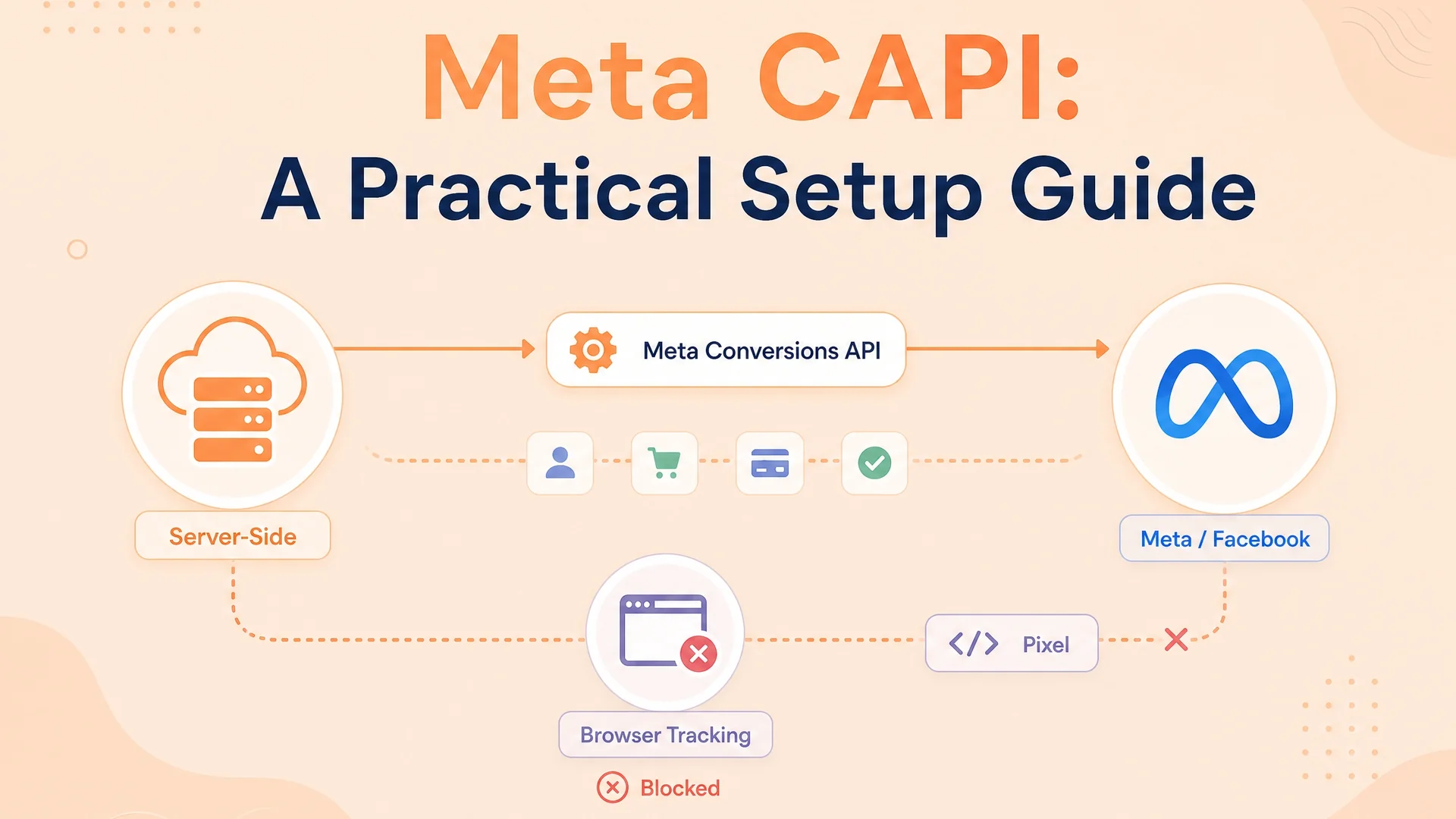
Set up Meta Conversions API (Facebook CAPI) for lead ads, instant forms, standard events, offline conversions and Event Match Quality — with or without a CRM.

A small YouTube Ads test is a fast way to check if a video can hold attention before you spend time on YouTube SEO, thumbnails, and promotion.
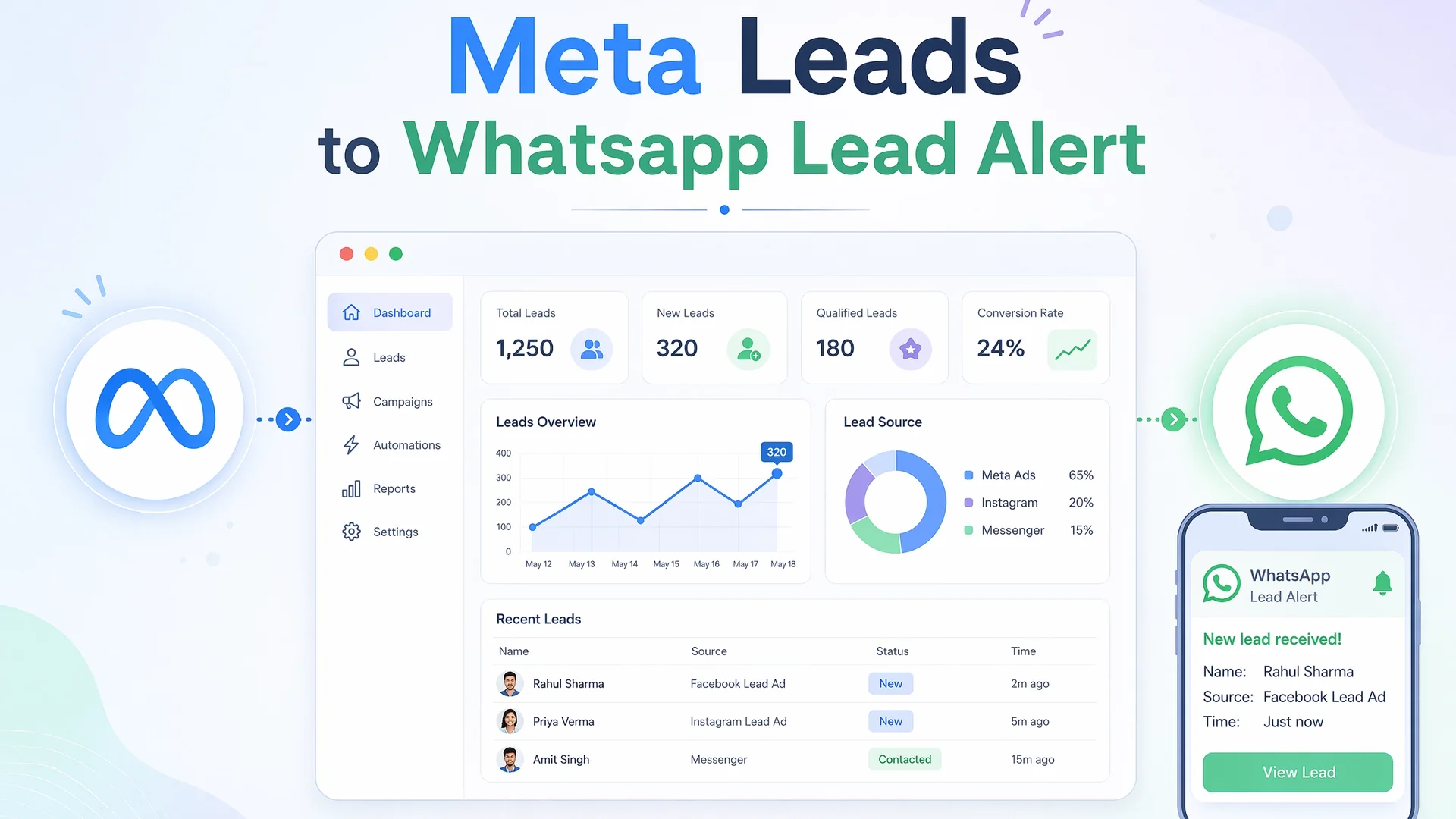
I built a pipeline that lands Meta Lead Ads in a Google Sheet and sends WhatsApp alerts to the sales team within seconds. No CRM, no Zapier, no monthly middleware bill.
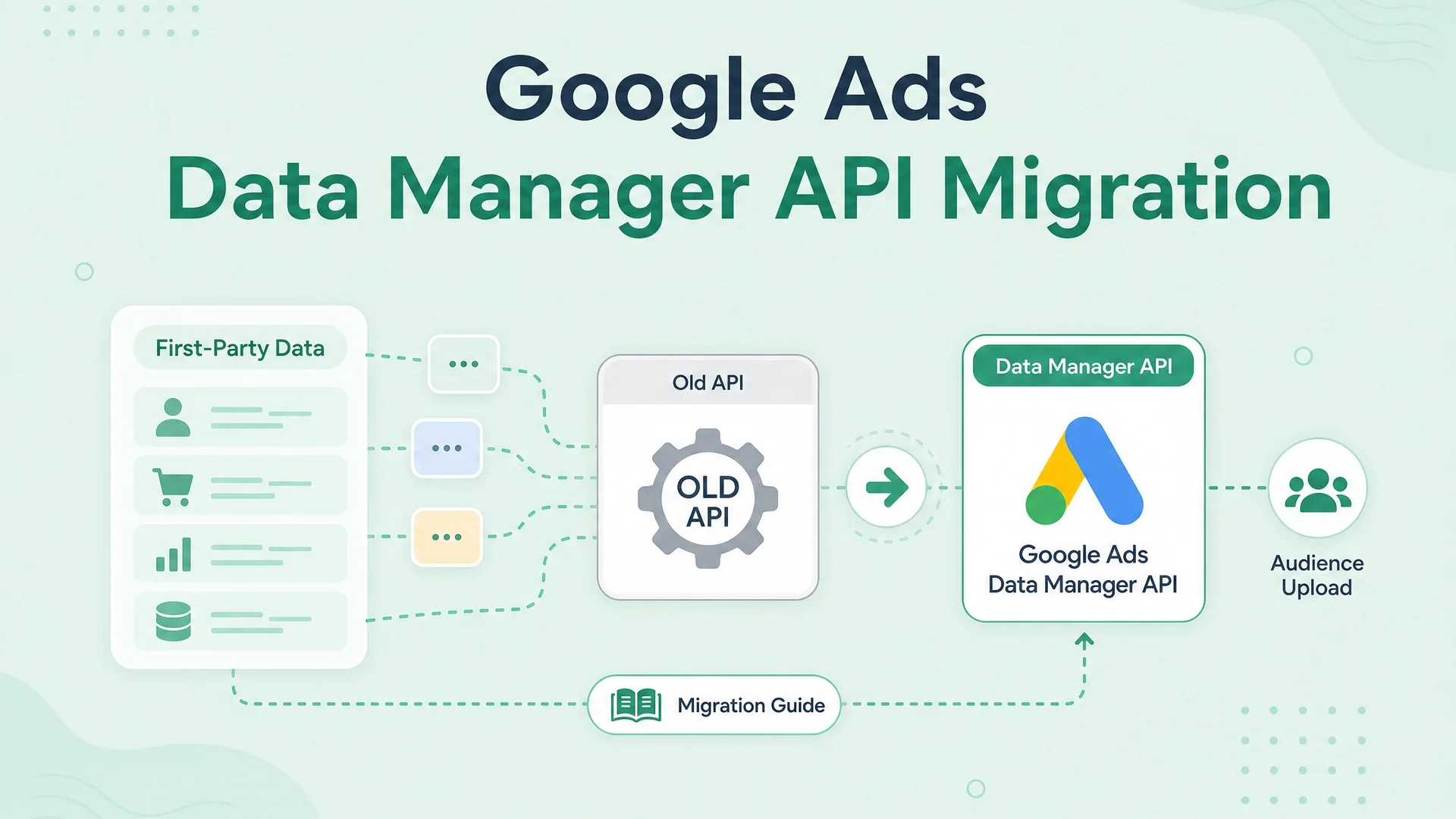
The Google Ads API path for first-party data upload is dead. Data Manager API is the replacement. Here is the grounded, practical stuff from a pipeline that is now running in production.
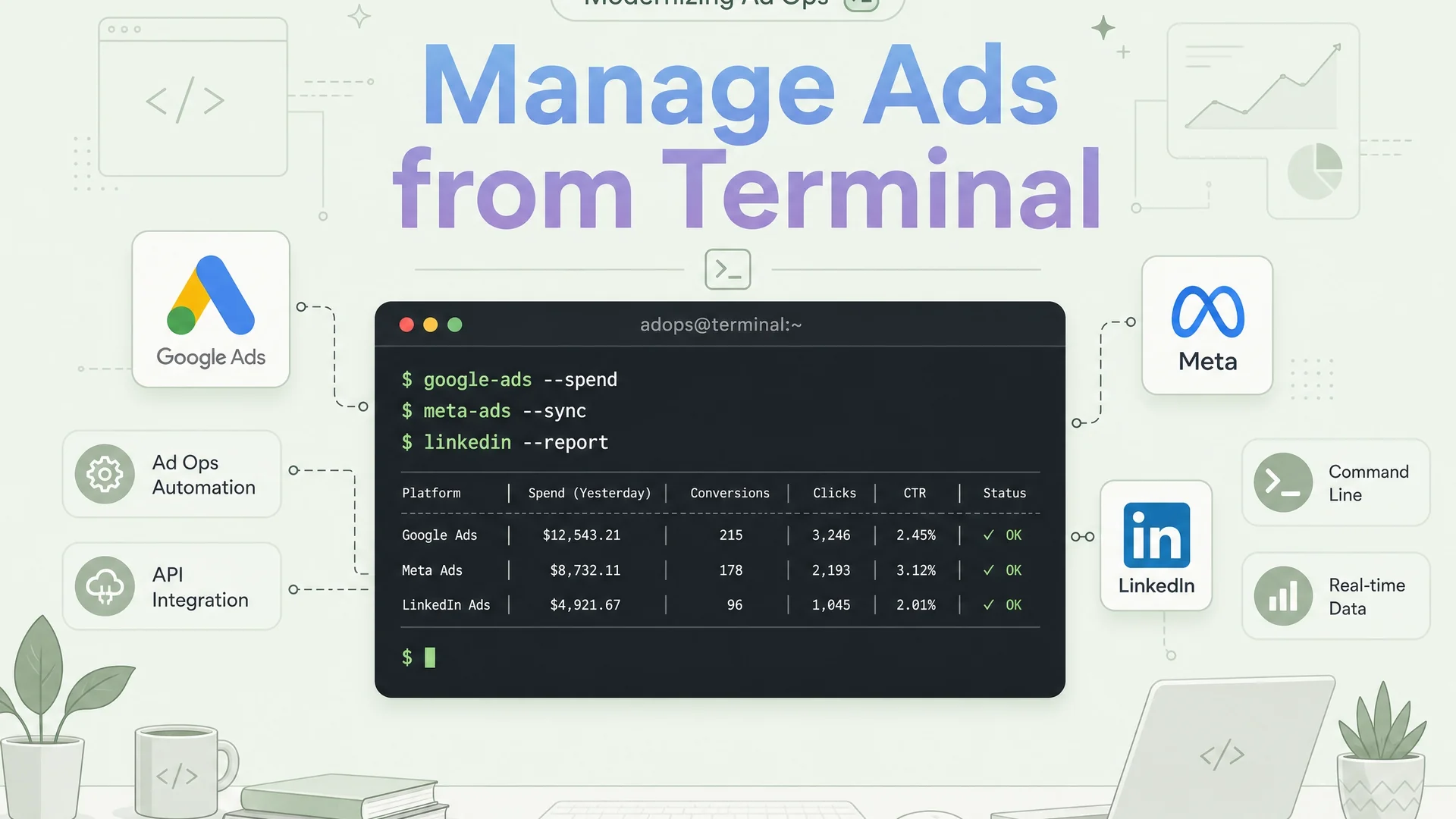
I moved campaign checks, reporting, conversion uploads and lead qualification into terminal commands. This is how I run Google, Meta and LinkedIn ads from the command line.
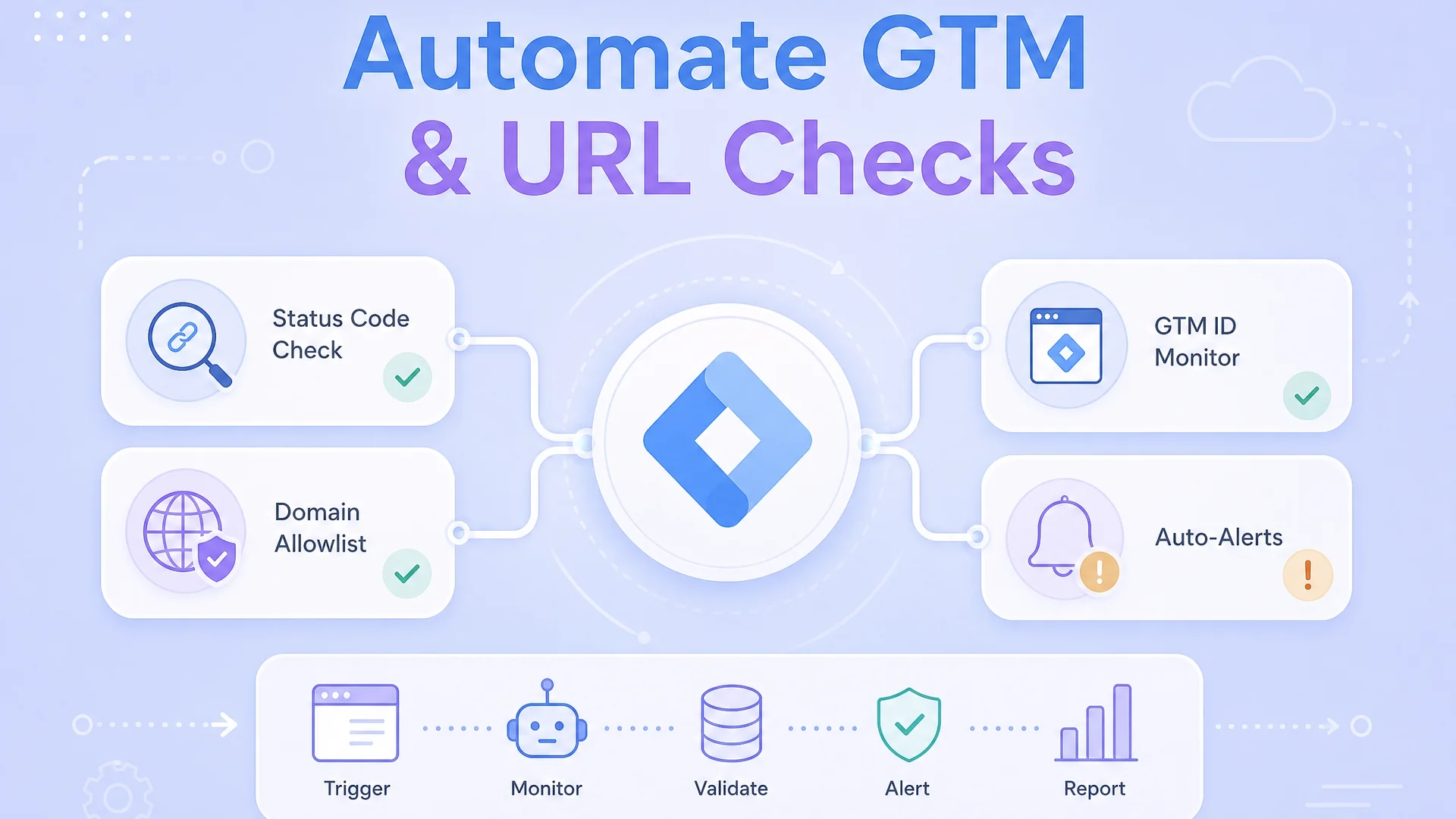
This is an update to the previous article and the more simpler tagmanager monitor I built, and with some additional learnings, I added more robustness to it Google Tag Manager usually breaks quietly.
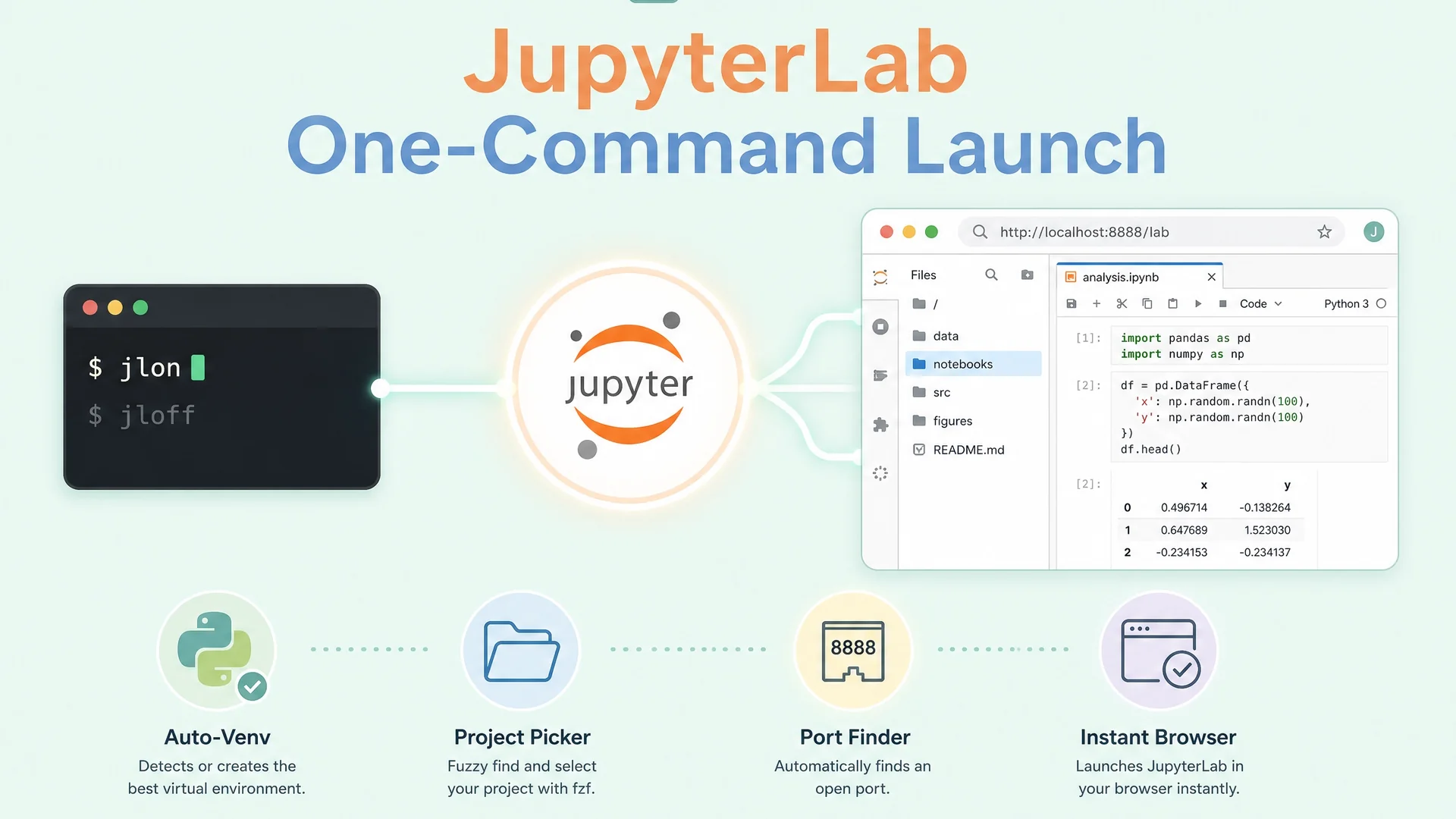
A custom Zsh shortcut that opens the right folder, activates your environment, and starts JupyterLab. No more hunting for the latest script version.
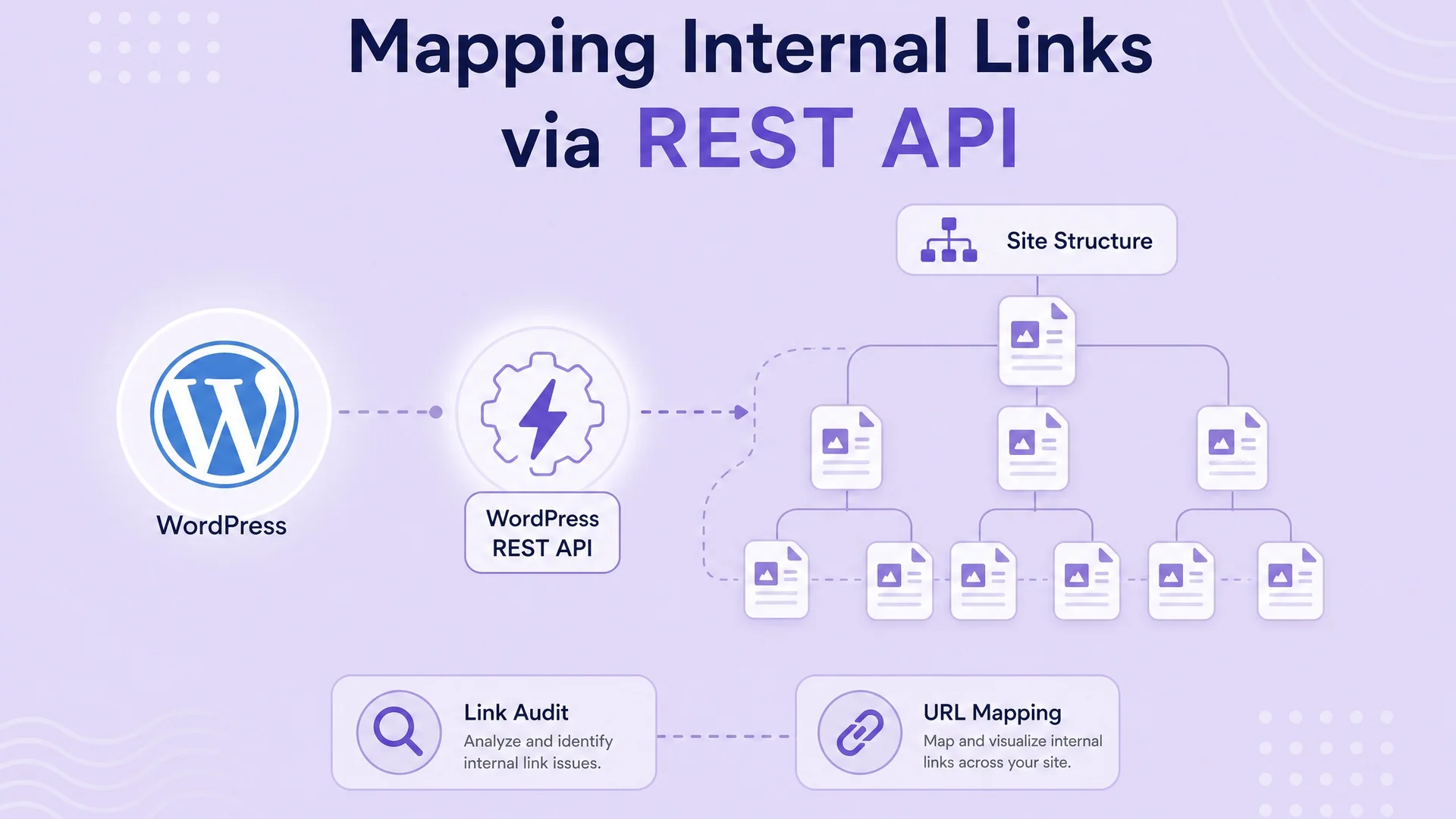
Most people default to Screaming Frog for link audits. I built a WordPress REST API tool that maps internal links and writes a clean CSV instead.
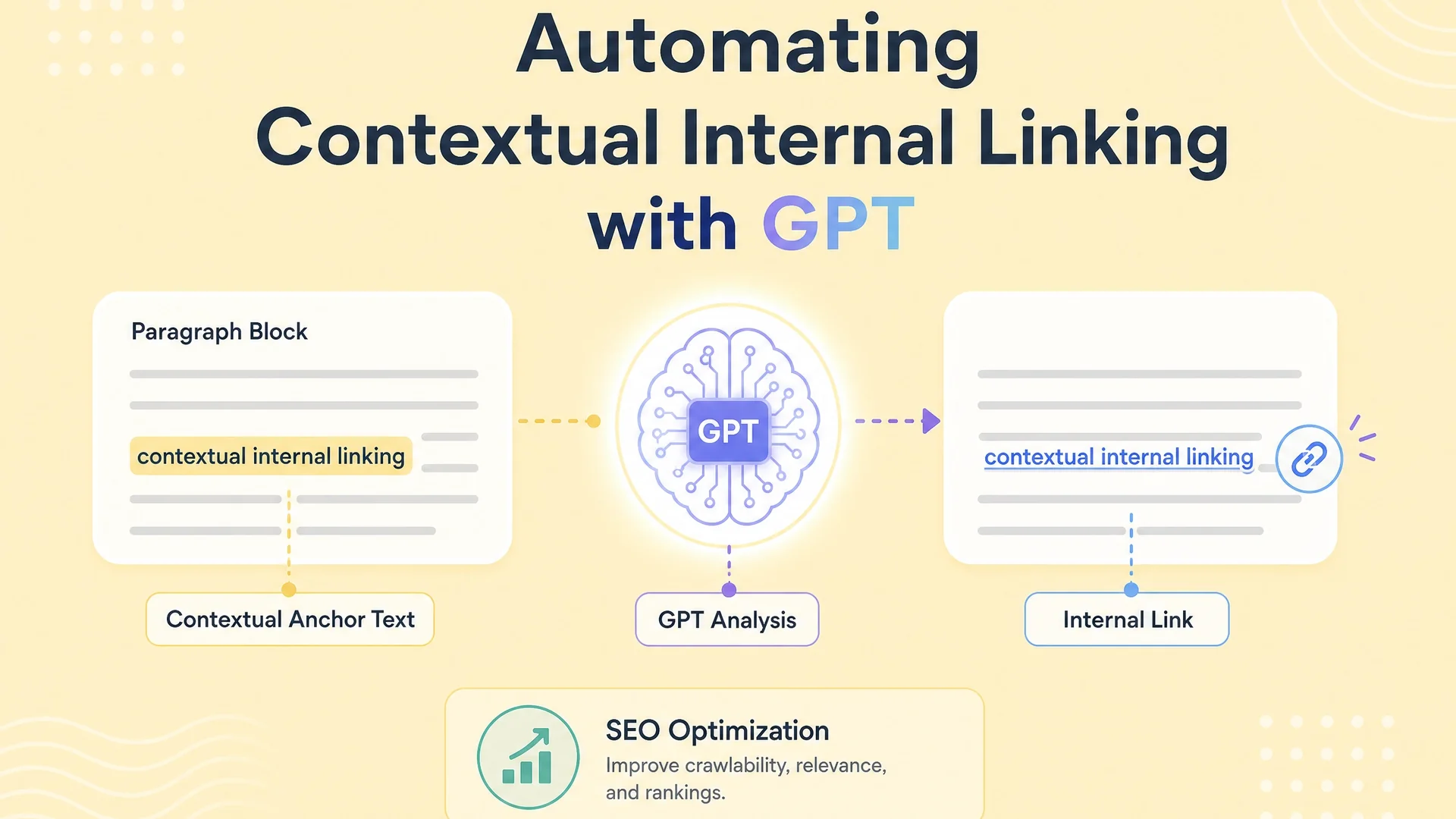
Internal linking is easy with a dozen articles, but breaks at scale. Here's how I automate the process so links land where they actually matter.
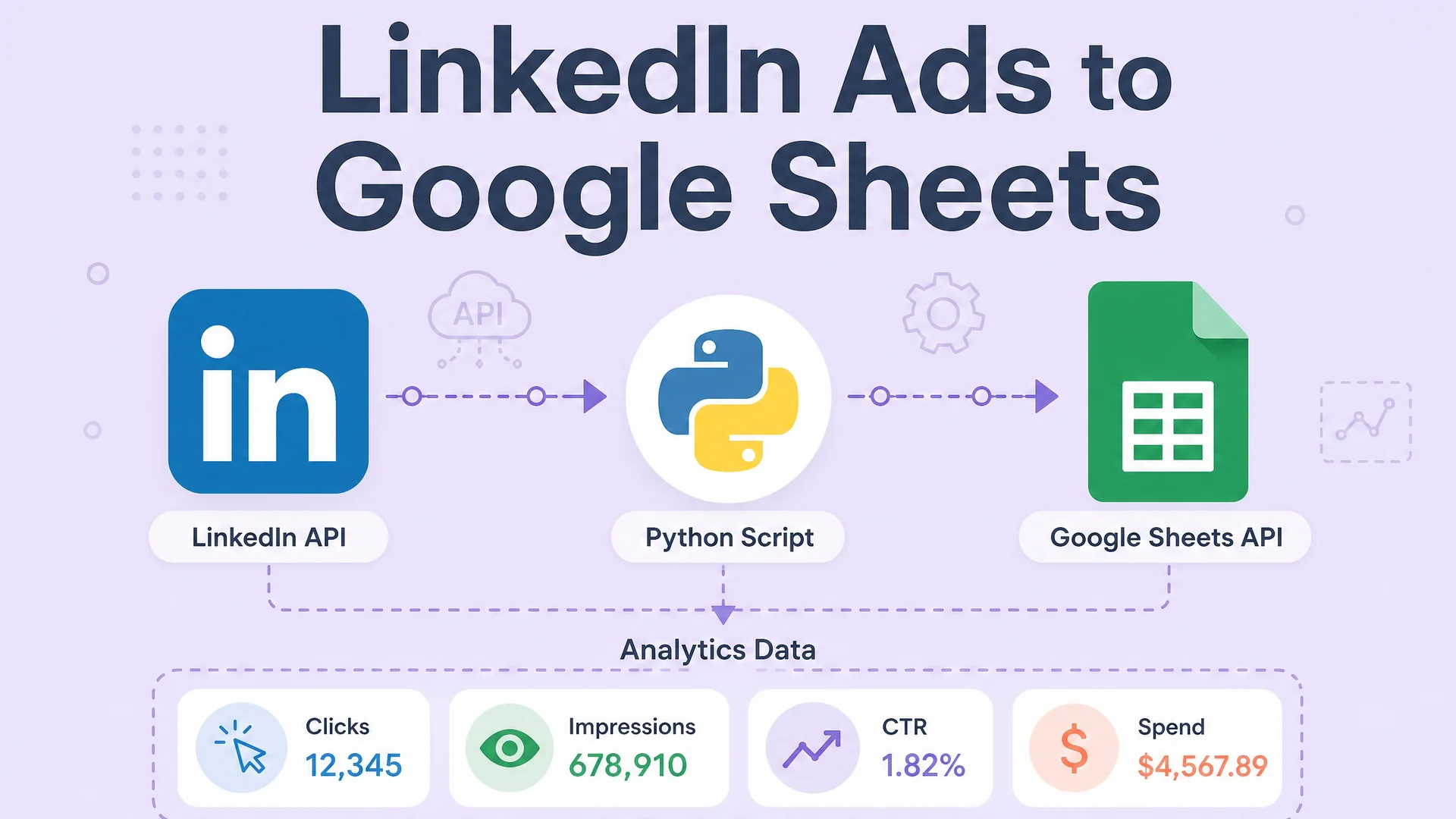
Copying LinkedIn Ad Analytics into a spreadsheet by hand is soul-draining. Here is the Python script that pulls the last 90 days straight into Google Sheets, plus the two things that will bite you when it runs.
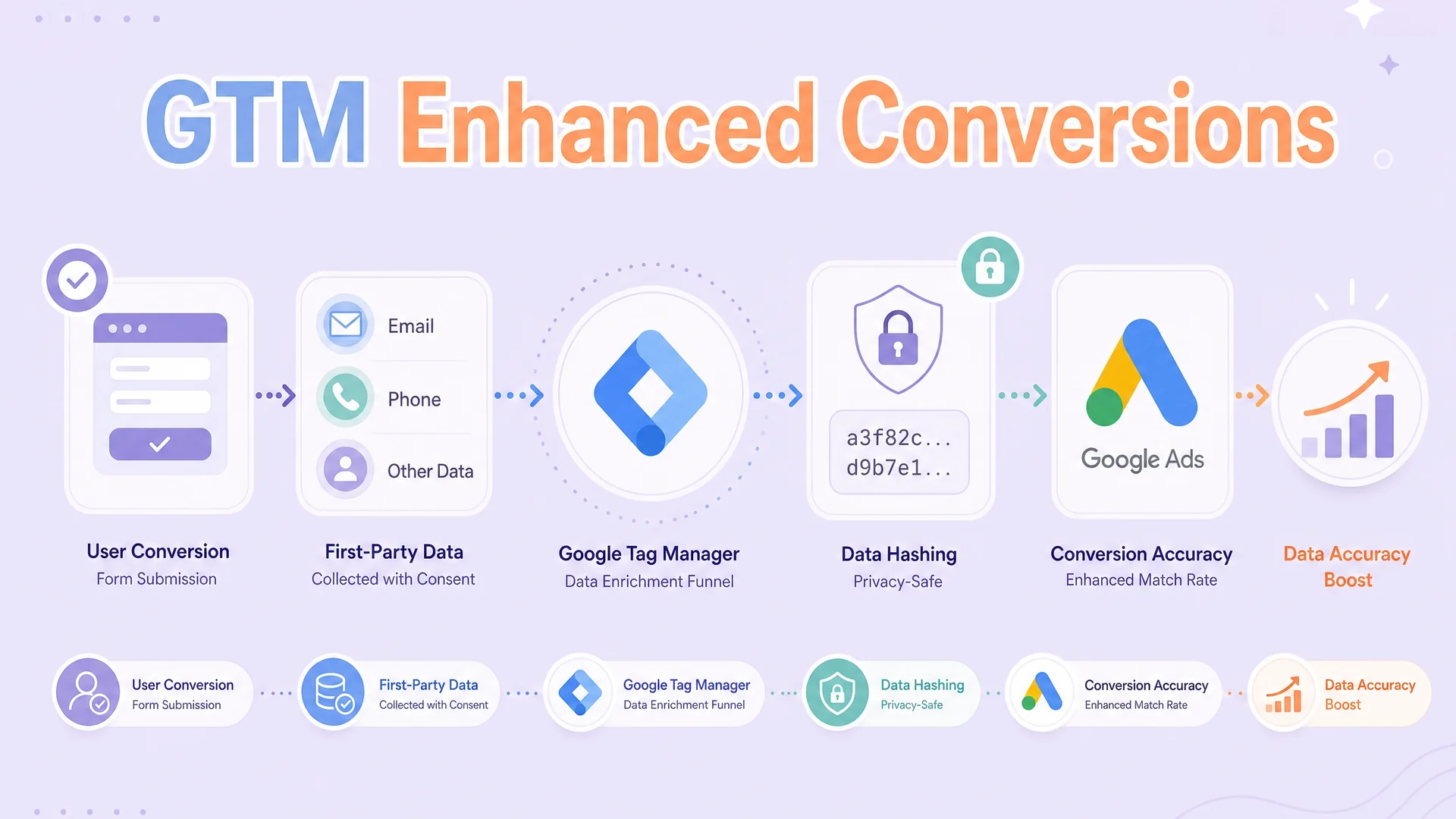
Google Tag Manager's Enhanced Conversions captures extra customer info to make your conversion data more accurate. Here's the setup, wired to Google Ads.

Reporting is one of the most tedious parts of performance marketing. Here's a Google Ads script that pulls campaign metrics straight into a Sheet, a reasonable first script if you've never touched Ads Scripts before.
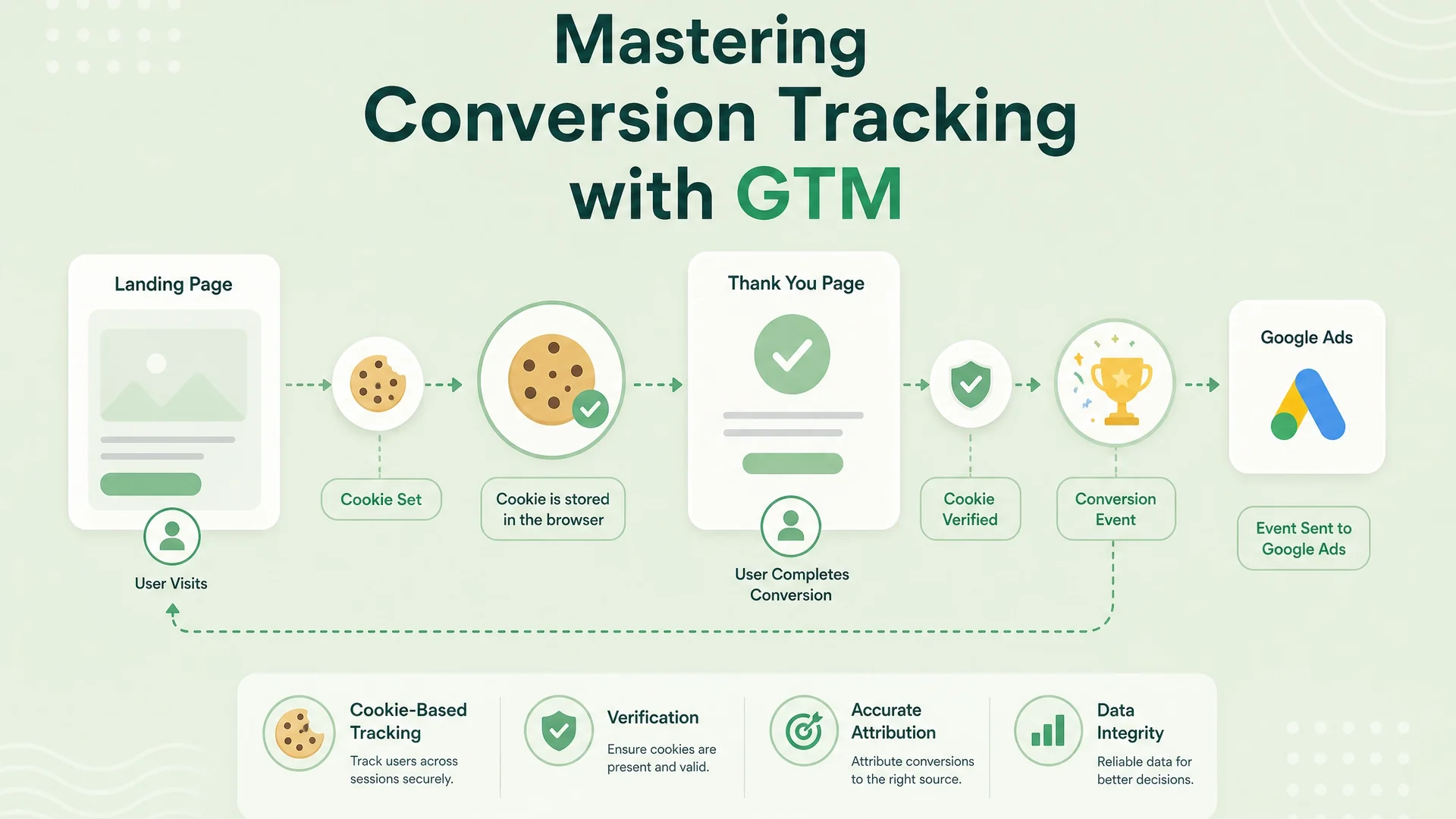
Cookie-based tracking in Google Tag Manager is one of the more reliable ways to count conversions. Here's the why and how.
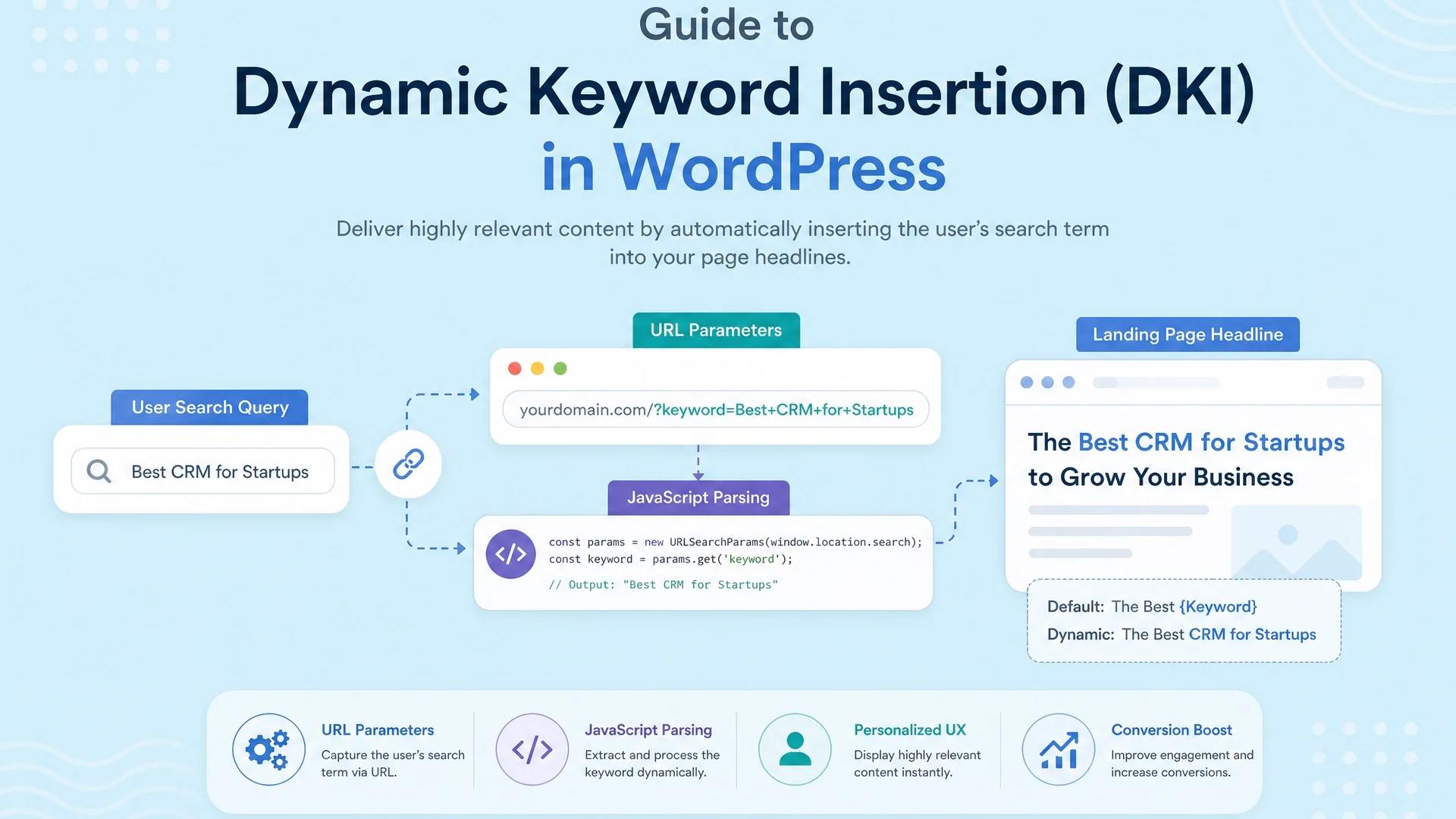
Dynamic Keyword Insertion (DKI) makes your ads match the search query. Here's how I set it up in WordPress with Oxygen Builder.
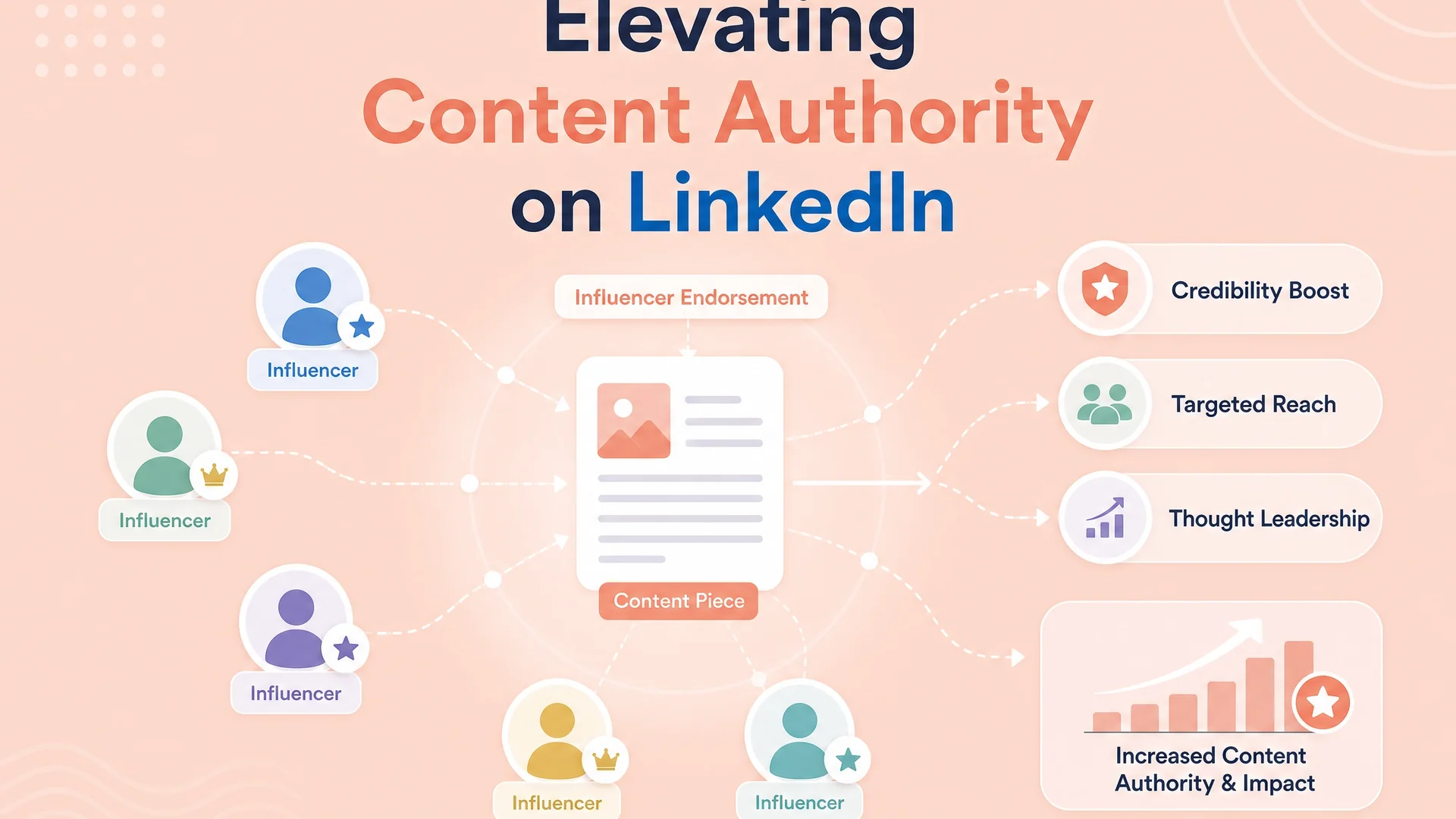
Content authority is the thing that makes people take a post seriously, and LinkedIn's influencers can hand you some. Here's how I borrowed it.
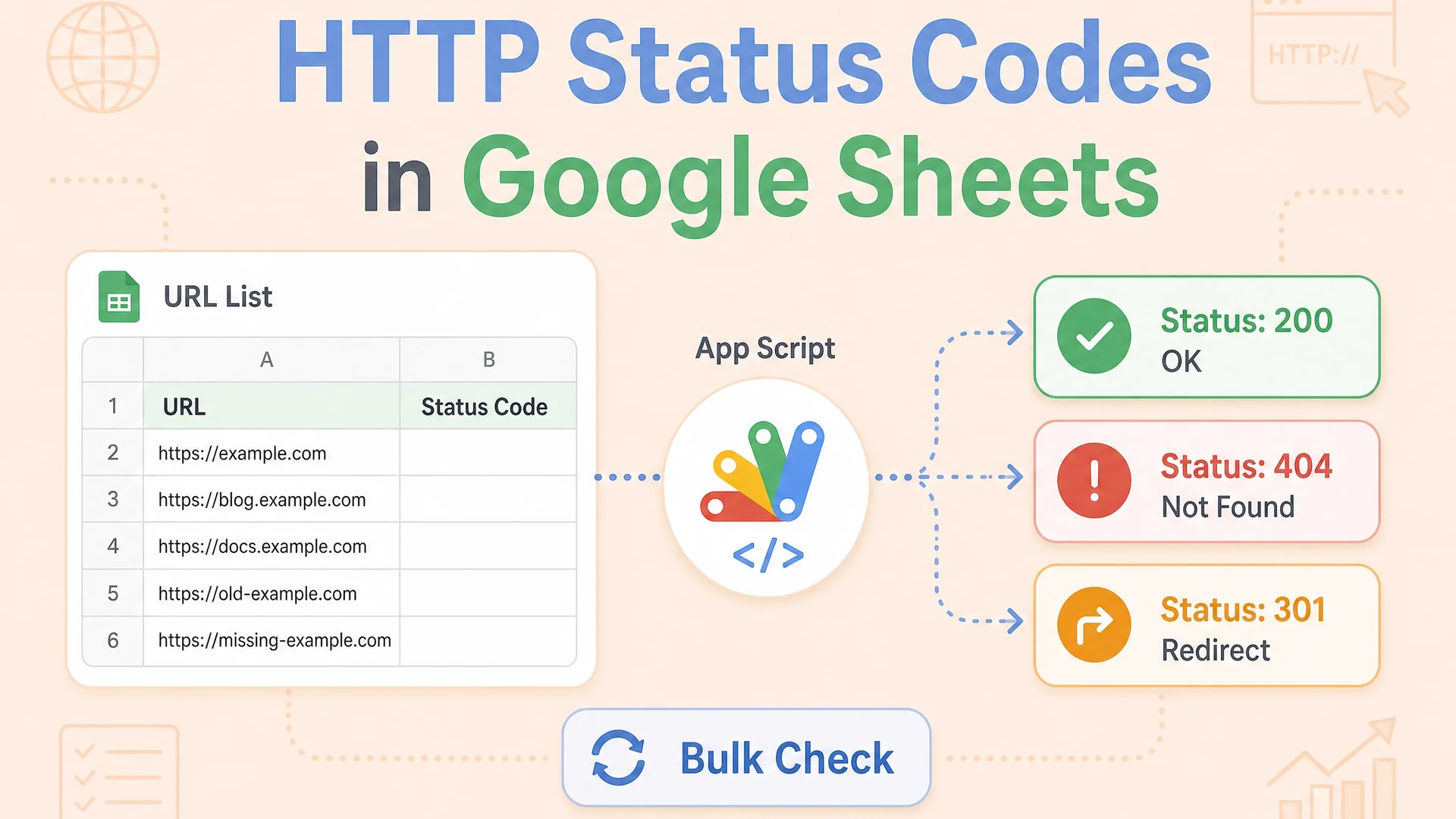
I found a neat little trick to bulk pull HTTP status codes using a simple script and wanted to share it with everyone else
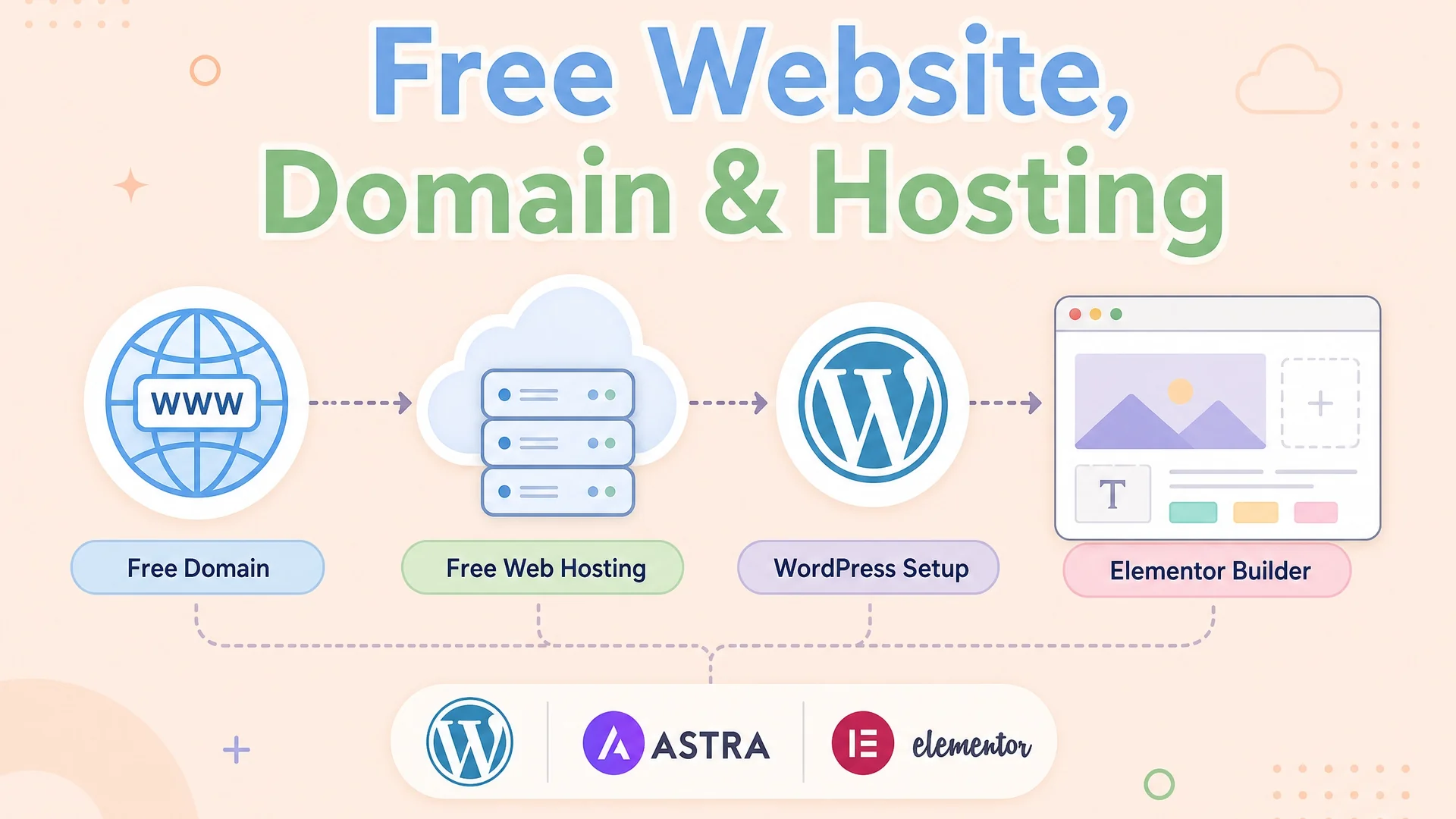
You can build a free website with a free domain and hosting. I didn't want to pay for a site I wasn't sure about, so here's what I used.
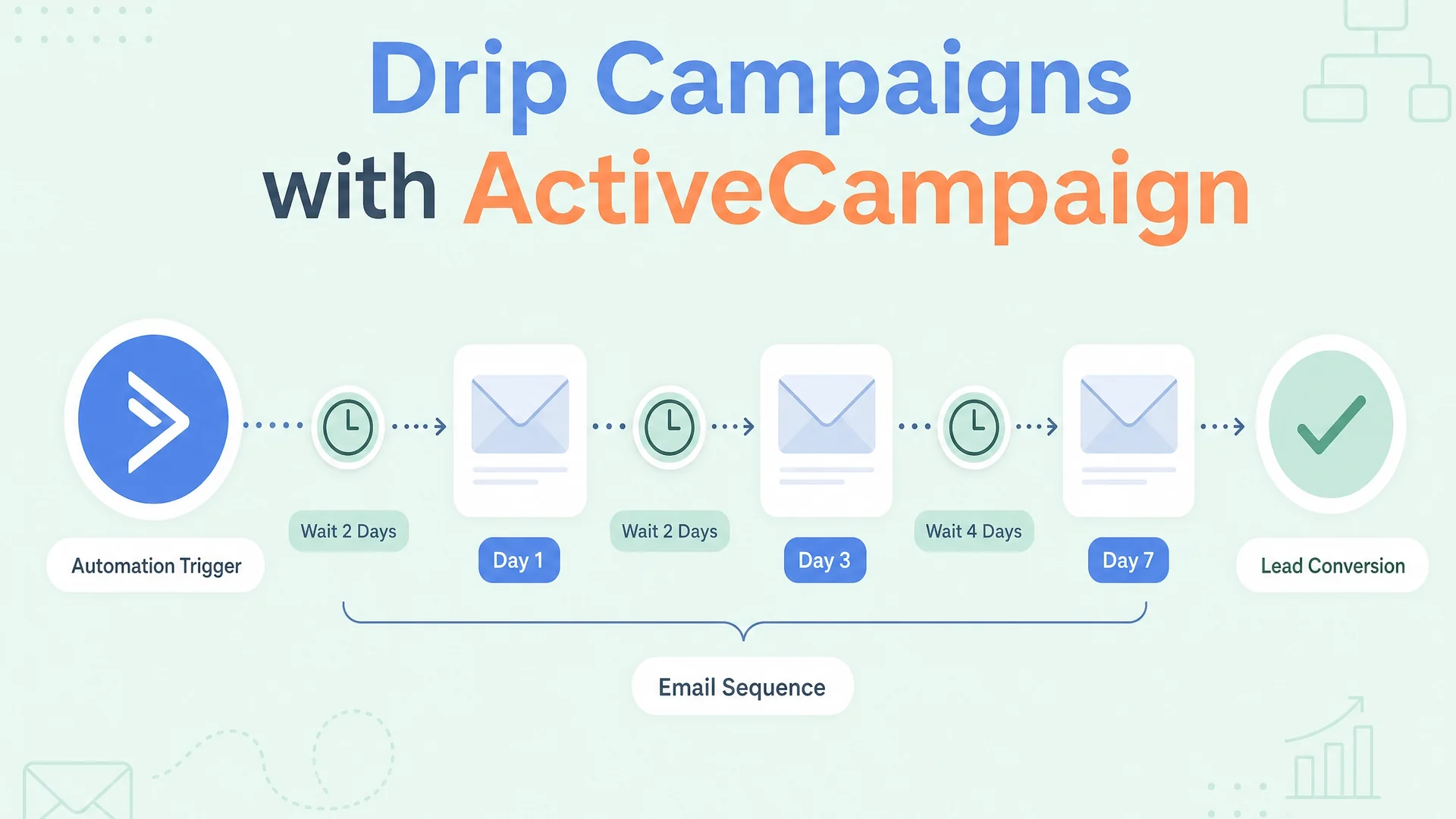
Startup marketers get outbid on ads and most visitors don't convert on the first visit. Here's how to build a drip campaign in ActiveCampaign to turn those visitors into customers.
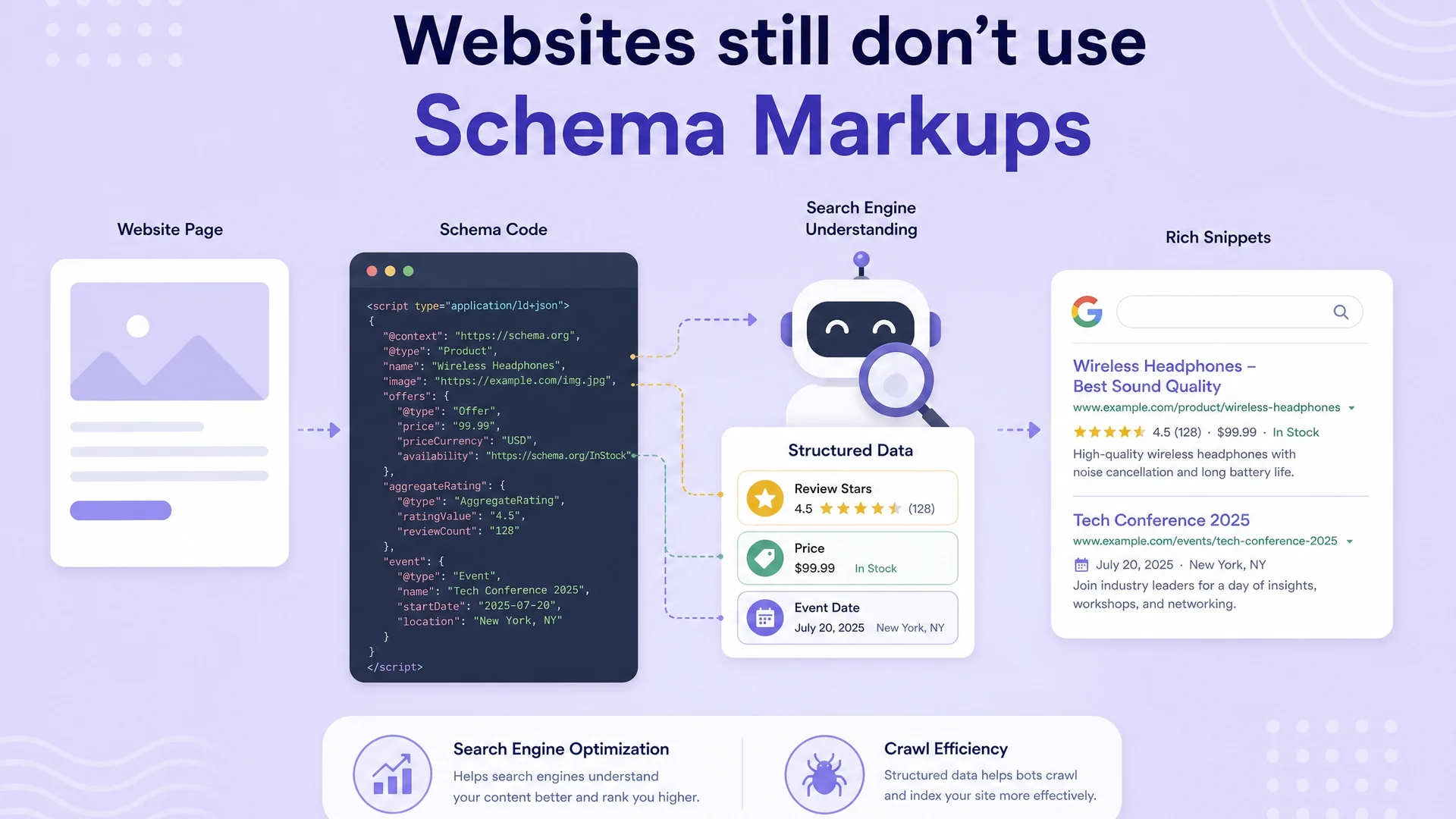
Schema markups were introduced in 2011 as an attempt to help search engines understand websites better. A joint venture by Google,Bing,Yahoo and Yandex. It’s pretty obvious when you look at the facts.

Great opportunities don't always come announced. Here's how Zapier helped me build a form and grab one.
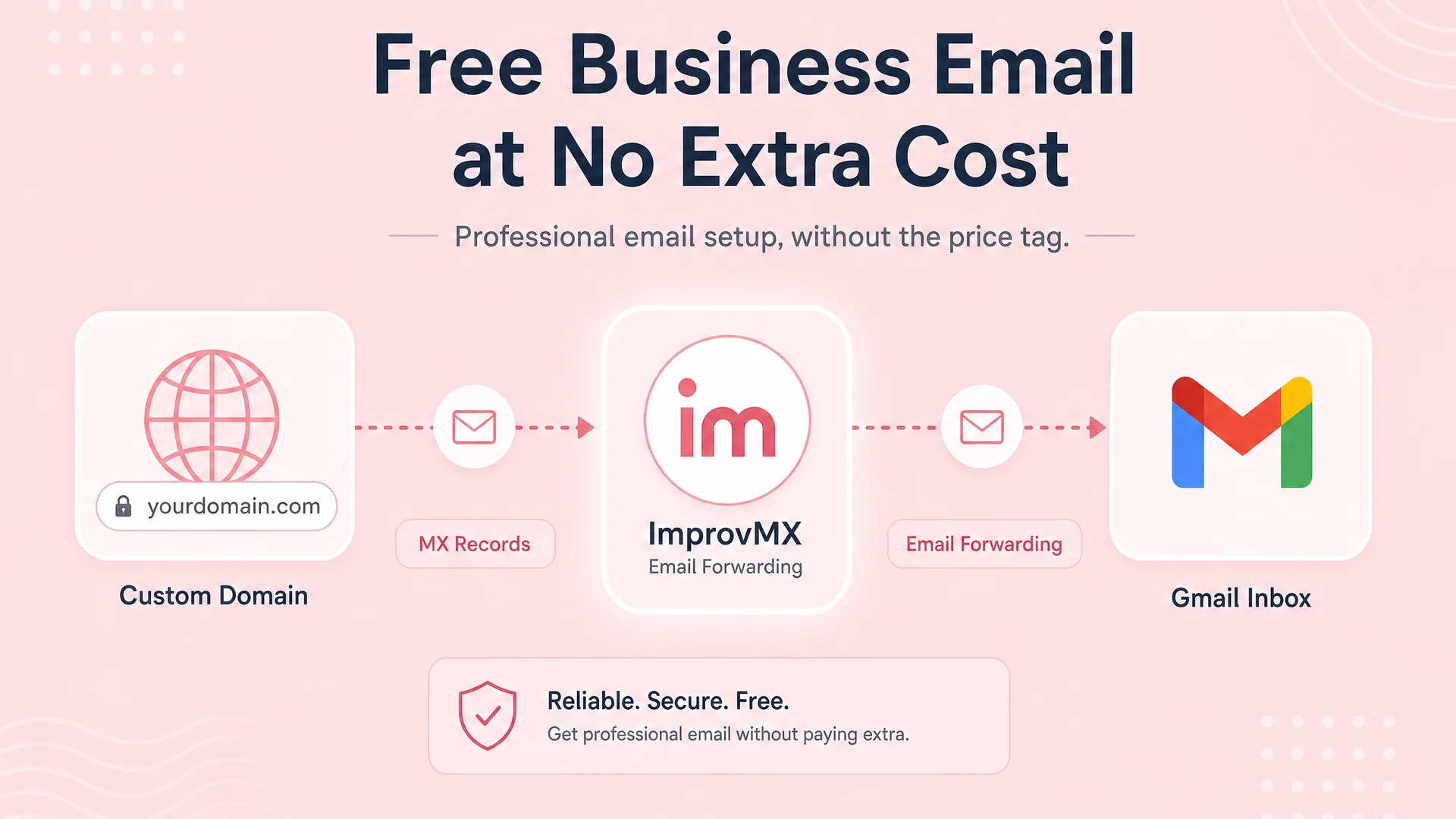
Email is still how B2B prefers to talk. Here's how to set up a free business email on your own domain, at no extra cost.
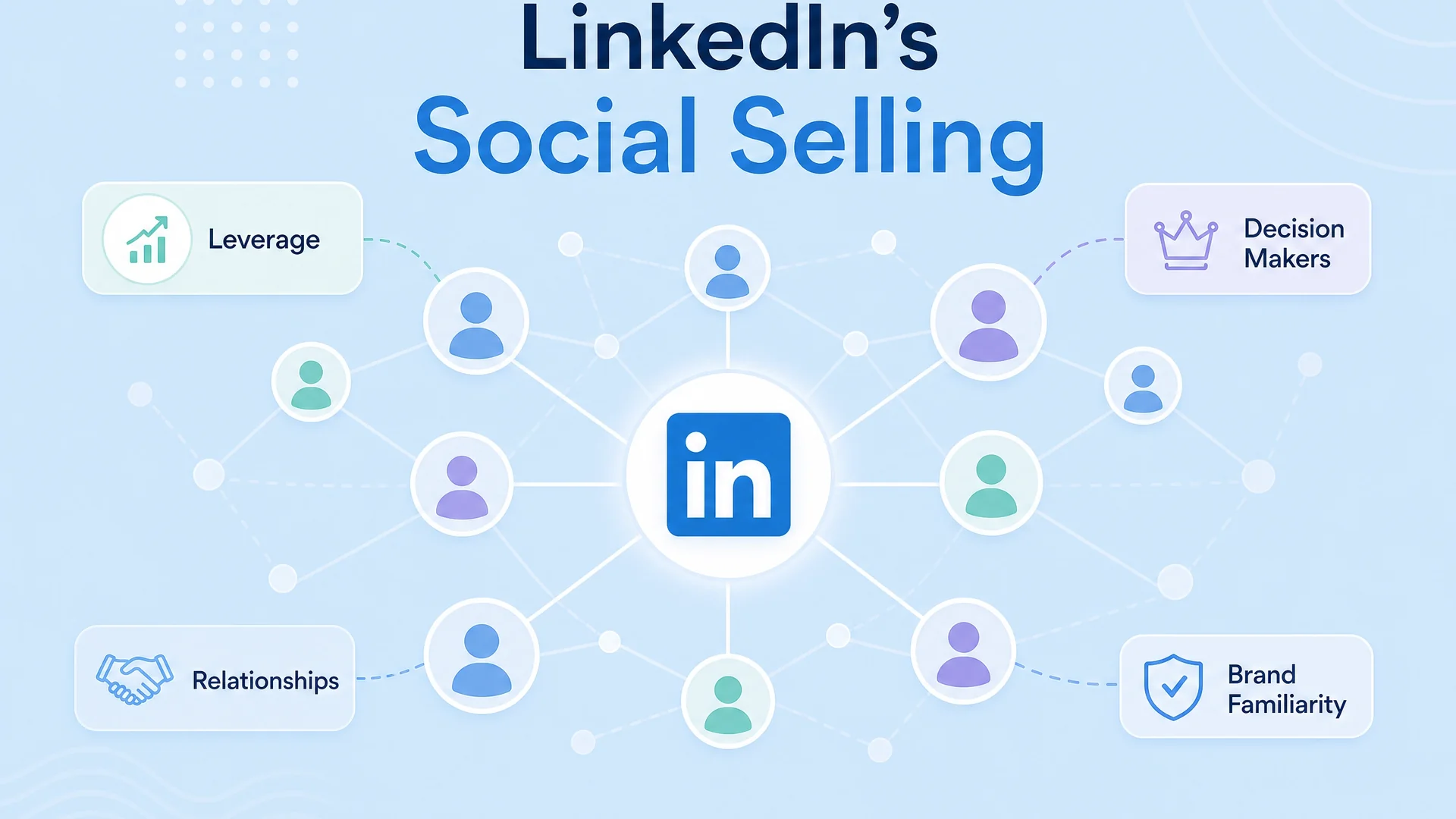
Sales moved from word-of-mouth to a technology-driven process. Here's how social selling uses your posts, connections and status updates to put you in front of the person who buys.